Introducing Justin
Current Projects
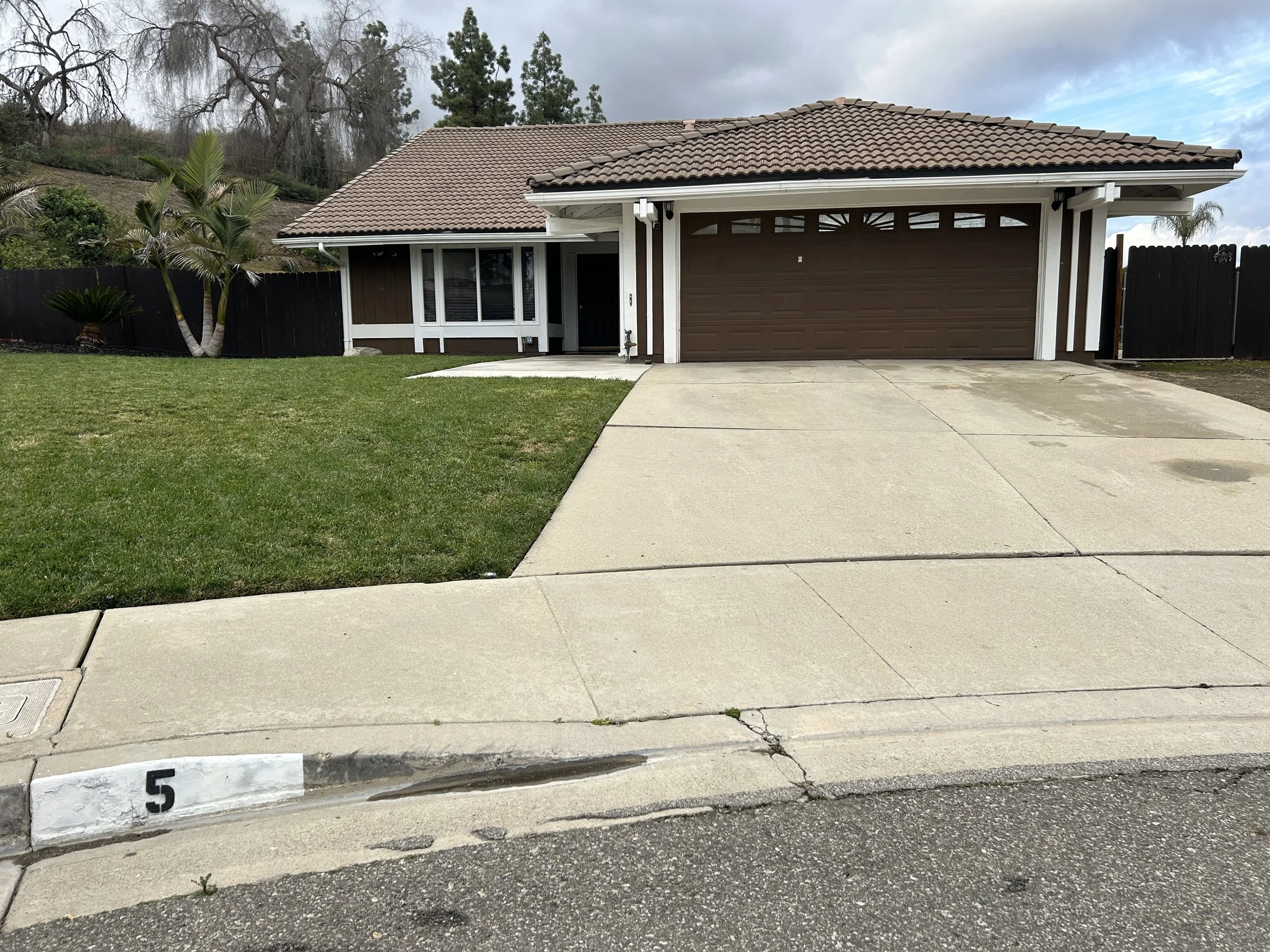
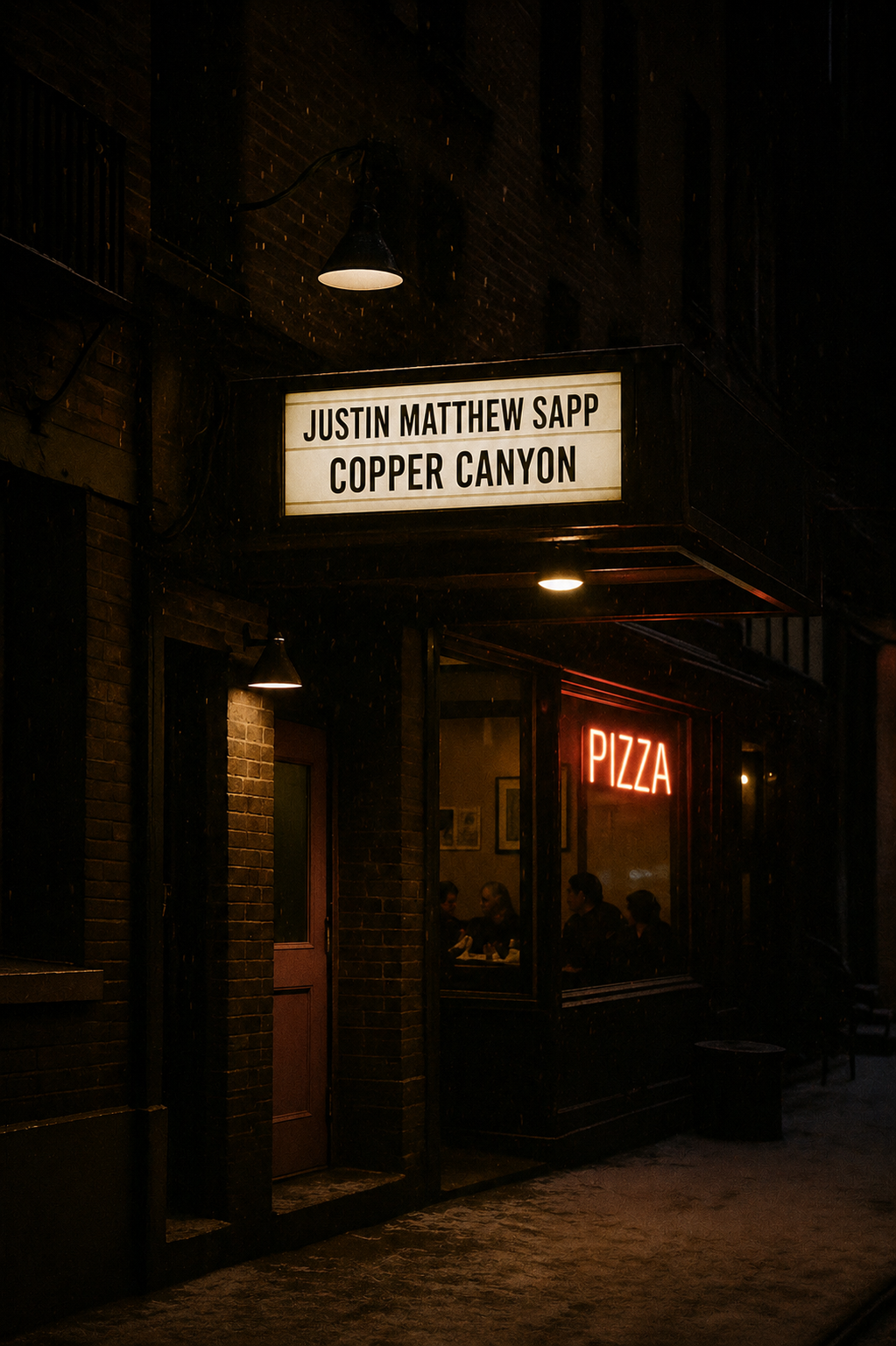
Copper Canyon
Written and Performed by Justin Sapp Comedy Drama | Solo Show — with Film Trajectory
At his lowest point — broke, nearly homeless, carrying his mother's ashes in a suitcase — a man writes a letter from his future self and makes a single promise: find your way home, or lose everything trying.
-
THE STORY
Justin Sapp was born on April 14th — the day Lincoln was assassinated and the Titanic sank. He's actually quite proud of that.
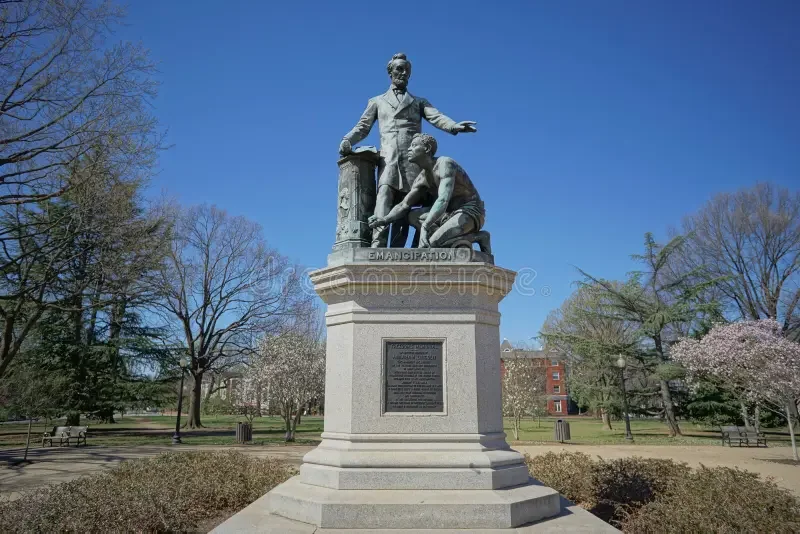
He grew up on Copper Canyon, a street in Southern California, shaped by two extraordinary women. His grandmother Effie — "Mamo" — a Louisiana force of nature who taught him to drive at age 8 in the Rose Bowl parking lot, fed entire neighborhoods on Sundays, and would slip you five dollars when no one was looking. And his mother — who kept Paris magnets on her refrigerator and an Eiffel Tower coin jar on the counter, and made a promise that one day, they'd go together.
Neither of them made it there.
By 38, Justin's marriage was ending, his mother was gone, and he was in a Sierra Madre backyard in the California heat, sorting through her belongings in a shed — apologizing to her for the circumstances he was in. Days later, on a credit card and a prayer that a job interview would come through, he flew to Washington D.C. Because that's where his kids were. And he wasn't going to be the father who didn't choose them.
What followed was a year of Airbnbs, suitcases, icy staircases, and CVS parking lot visits with his children — the only neutral ground he was allowed. One night, slipping on the ice while hauling everything he owned up four flights of stairs — his mother's urn packed inside one of the bags — something broke open in him. Not desperation. Clarity.
This sucks.
Two words. Rock bottom. And the beginning of everything.
Alone in a basement, he wrote a letter from his 43-year-old self — the man he intended to become — and read it every single morning until it was true.
Copper Canyon opens with that letter. The rest of the show earns it. By the time it's read again at the end, the audience knows every word of what it cost.
WHY THIS, WHY NOW
There is no shortage of stories about falling apart. There is a shortage of stories about what it actually takes to put yourself back together — told with enough honesty to be believed, and enough humor to be survived.
Copper Canyon is one man's account of choosing himself — not out of confidence, but out of necessity. It's about what a father carries, what a son loses, and what a person discovers when the home they grew up in is gone, the person who made it home is gone, and no one is coming to save them.
It's about building home from the inside out.
It's also, somehow, very funny.
TONE & COMPARISONS Mike Birbiglia's Sleepwalk With Me and The New One — confessional, disarming, laugh-until-it-hurts-then-just-hurts — with Donald Glover's emotional precision and the spiritual gravity of a man genuinely reckoning with God and loss. A Black man's story about home — what it means, what it costs, and what it takes to build one from scratch. Like Birbiglia's work, Copper Canyon is conceived as a solo show with a natural and intentional trajectory toward film — the stage is where it finds its voice, the screen is where it finds its audience.
THE STRUCTURE
The letter opens the show. Justin reads it to the audience — his future self, speaking to his present self, from a basement in DC. The audience doesn't yet know what it cost to write it. The show is the answer to that question. The letter closes the show. Same words. Completely different meaning.
AUDIENCE
Anyone who has ever started over. Parents navigating loss, people of faith in the middle of doubt, children of remarkable mothers, and fans of solo performance that earns its laughs and its tears in equal measure. Broad enough to fill a theater. Specific enough to feel like it was written for you personally.
THE BIGGER PICTURE
Copper Canyon is the origin. Every other story Justin tells — about fathers and sons, about home and displacement, about grace arriving in unlikely places — flows from this one. This is where the voice lives. This is the show that introduces the storyteller. And like the best solo work before it, the stage is just the beginning.
Getting Mom to Paris
Feature Film
A 35-year-old youth pastor — funny enough to be a comedian, too afraid to try — races to get his dying mother to Paris before time runs out, and discovers that the only way to honor her is to finally become himself.
-
Matthew grew up watching his mother scrape coins into an Eiffel Tower jar on a refrigerator covered in Paris magnets. They couldn't afford the trip then. He promised her they'd go one day — when he was famous, when he made it, when he finally became the person he was supposed to be.
That was twenty years ago.
Now he's 35, preaching to seven disinterested high schoolers in a church that passed him by, daydreaming about standing in front of thousands. His walls are covered in photos of his favorite comedians. He is not one of them. He is a man living just close enough to his dream to feel its absence every single day.
When his mother's illness takes a sharp turn, the Paris trip stops being a someday — it becomes a deadline. But between a girlfriend who sees his potential as a liability, a church job that owns his identity, and a comedy open mic that nearly breaks him, Matthew has to reckon with the hardest question of his life: what if the thing holding him back is him?
Getting Mom to Paris is a love story — between a son and his mother, between a man and the version of himself he's been too afraid to become, and between grief and the laughter that somehow survives it.
WHY THIS, WHY NOW
This is a film about reinvention — about what it costs to keep a promise to someone you love, and what it costs to keep one to yourself. At its heart, it's a story of a person choosing truth over safety, told with warmth, humor, and the kind of specific detail that only comes from real life.
The comedy isn't decoration. It's the whole point. It's how Matthew survives — and ultimately, how he heals.
TONE & COMPARISONS The Pursuit of Happyness meets Comedian with the warmth of About Schmidt and the spiritual undertow of Soul. Think Taika Waititi directing a Donald Glover story.
AUDIENCE Fans of character-driven comedies rooted in real emotional stakes. Faith communities, families who have loved someone through illness, and anyone who has ever stayed in the wrong life just long enough to forget there was a right one.


They Will All See.
Feature Film
A gifted high school basketball player must choose between chasing greatness on his abusive father's terms — or finding the courage to redefine it on his own.
-
THE STORY
Bandon is 17, talented, and exhausted. Every pre-dawn morning is the same: a grueling private training session with his father — a man whose love comes in the form of drills, disappointment, and dominance. As his parents' divorce tears the family apart, his father's obsession with Bandon's basketball career intensifies, pushing the boy's body and spirit to the breaking point.
At school, coaches see a future. On the court, his father sees a second chance. But it's in the quiet of his church youth group that Bandon discovers something neither basketball nor his father can offer — a sense of who he actually is.
Set against the sun-soaked pressure cooker of Southern California prep sports, They Will All See is a story about what it costs to be made great by someone who doesn't truly see you — and what it takes to be seen at all.
WHY THIS, WHY NOW
Emotional abuse in youth sports is a crisis hiding in plain sight. This film puts a face on it — not to exploit the wound, but to move through it. At its core, this is a story about a young man choosing reinvention over destruction, and the quiet people who make that possible.
It lives in the space where family drama becomes something universal: the complicated love between a parent and child, the cost of ambition passed down like a curse, and the grace that arrives when performance is no longer enough to hold a person together.
They Will All See is built for audiences who believe film can change how people see themselves — and each other.
TONE & COMPARISONS Whiplash meets The Way Back, with the spiritual undercurrent of Waves and the family fracture of The Pursuit of Happyness.
AUDIENCE Teens, families, faith communities, and sports fans drawn to redemptive dramas at the intersection of athletic ambition and personal transformation. A natural fit for platforms and festivals dedicated to films that serve — and inspire — the people who need them most.
Memorial Park
Theatrical Play
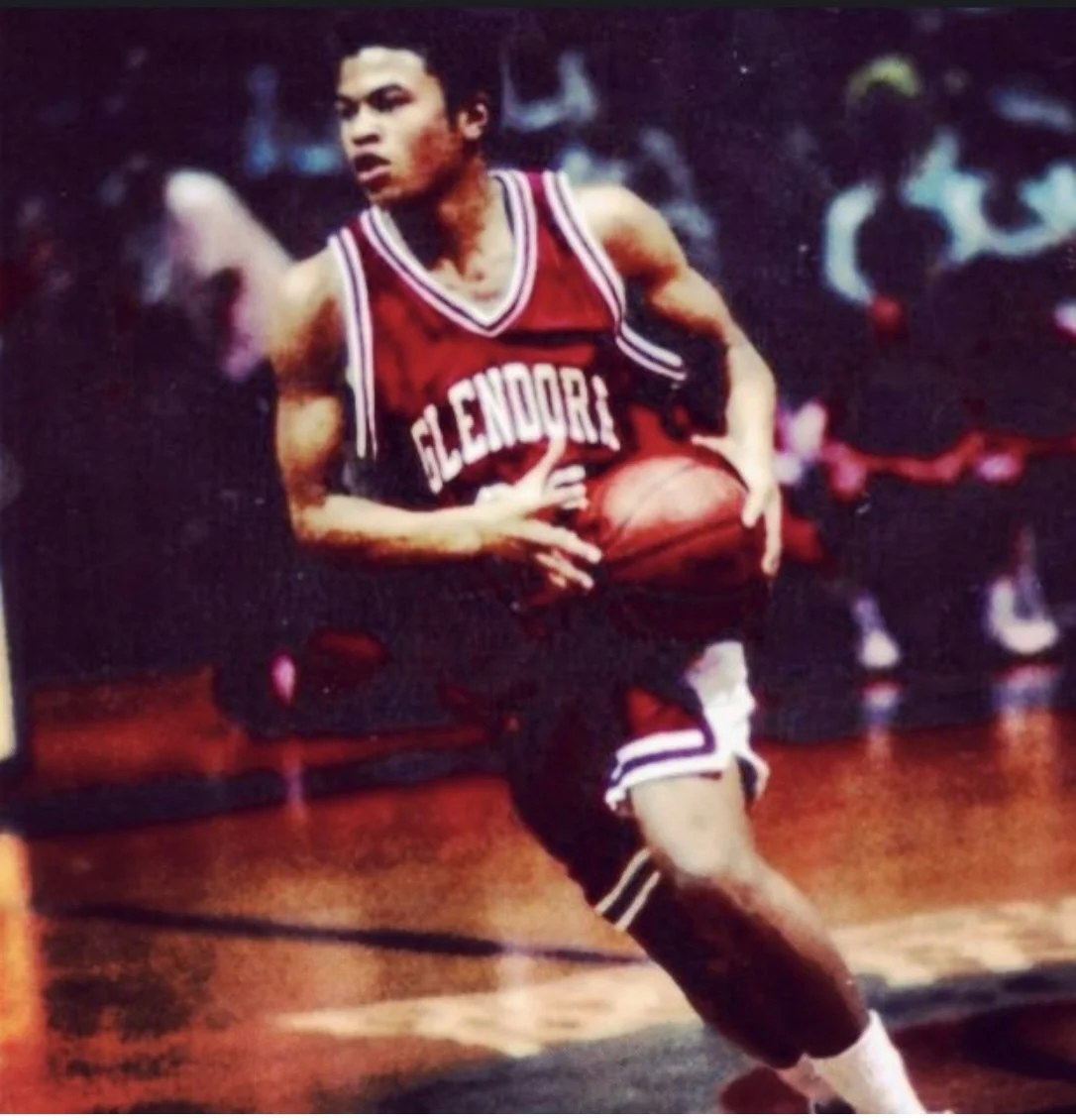
A celebrated president's statue, facing removal after a decades-old scandal, spends his final three days in conversation with the ordinary schoolteacher chosen to replace him — and discovers she might be the most remarkable person he's ever met.
-
THE STORY
President John Whitaker had a good run. Forty years on a corner in Memorial Park, watching the town change around him — the dog walkers, the day laborers, the birthday parties, the protests. He united a nation. He ended wars. He was, by most accounts, handsome. Then a reporter went live from the park, and thirty seconds later, thirty years of goodwill was gone.
Dorothy didn't ask for any of this. She's a schoolteacher. She got rear-ended by one of her own students, the story went mildly viral, and somewhere in a city office a bureaucrat decided she represented something the town needed. Now she's arriving in crates.
Over three days — as protesters gather, officials bicker, a bird makes its opinions known, and Lilly the park's unofficial overnight resident sleeps through most of it — Whitaker and Dorothy talk. About legacy and failure. About what it means to be seen and what it means to be forgotten. About whether a complicated life deserves a pedestal, and whether a quiet one does.
He expected to spend his last days being argued over. He didn't expect to be understood.
WHY THIS, WHY NOW
Every week, America argues about who deserves to be remembered and how. This play doesn't resolve that argument — it inhabits it. Two statues, three days, one park bench's worth of honesty about what we ask our heroes to be and what we do when they fall short.
It's funny because the premise demands it. It's moving because the question is real.
TONE & COMPARISONS The wit of Arcadia, the cultural sharpness of Angels in America, the warmth of Our Town. Two voices, one park, the whole country in the background.
AUDIENCE Theater audiences who want to laugh and leave thinking. Faith communities, civic organizations, history buffs, and anyone who has ever had to decide whether a flawed person was still worth loving.